
- Home >
- Articles >
- Choosing Your Pet >
- Exotics
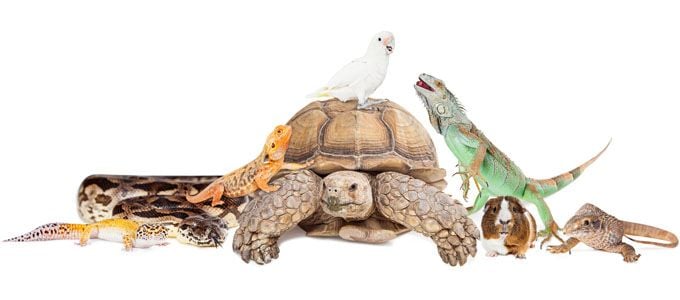
Cats and dogs are amazing pets to have, but you may be considering something a little more...exotic. Exotic pets may not be as popular as other animals that you are used to seeing as part of a family’s household, but they can be just as fun, rewarding, and easy to form bonds with!
Birds, for example, are highly intelligent animals that can be taught to or vocalize. Turtles, if provided the proper habitat and dietary requirements, can be another great addition to your home with their unique personalities. Reptiles are quiet, low-maintenance, scaly friends that can also offer you companionship without all the hassle. Read more below to discover what type of care each of these animals needs and if they’re right for you.
-
Sugar Gliders
Thinking of getting a sugar glider? These tiny marsupials are energetic and friendly, making them popular choices as pets. Though they weigh less than a half-pound, they're more closely related to kangaroos than they are flying squirrels. If you think a sugar glider would make an ideal pet for your family,
Read more -
Epilepsy
Epilepsy (often referred to as a seizure disorder) is a chronic neurological condition characterized by recurrent unprovoked seizures. It is commonly controlled with medication, although surgical methods are used as well. Epileptic seizures are classified both by their patterns of activity in the brain
Read more -
Seasonal Care
Heat Stroke Heatstroke may kill or seriously injure your pet—but it can easily be avoided by adhering to the following tips. Never leave pets in cars on warm days. Exercise your pet during the cool part of the day. Look out for rapid breathing, loud panting or staggering; these can be signs of dehydration,
Read more -
Recognizing Illnesses
Only a healthy pet is a happy companion. Assuring your pet's daily well-being requires regular care and close attention to any hint of ill health. The American Veterinary Medical Association therefore suggests that you consult your veterinarian if your pet shows any of the following signs: * Abnormal
Read more
- 1
- 2
- 3
- 4
- 5
- 6
- 7
- 8
- 9
- 10
- 11
- 12
- 13
- 14
- 15
- 16
- 17
- 18
- 19
- 20
- 21
- 22
- 23
- 24
- 25
- 26
- 27
- 28
- 29
- 30
- 31
- 32
- 33
- 34
- 35
- 36
- 37
- 38
- 39
- 40
- 41
- 42
- 43
- 44
- 45
- 46
- 47
- 48
- 49
- 50
- 51
- 52
- 53
- 54
- 55
- 56
- 57
- 58
- 59
- 60
- 61
- 62
- 63
- 64
- 65
- 66
- 67
- 68
- 69
- 70
- 71
- 72
- 73
- 74
- 75
- 76
- 77
- 78
- 79
- 80
- 81
- 82
- 83
- 84
- 85
- 86
- 87
- 88
- 89
- 90
- 91
- 92
- 93
- 94
- 95
- 96
- 97
- 98
- 99
- 100
- 101
- 102
- 103
- 104
- 105
- 106
- 107
- 108
- 109
- 110
- 111
- 112
- 113
- 114
- 115
- 116
- 117
- 118
- 119
- 120
- 121
- 122
- 123
- 124
- 125
- 126
- 127
- 128
- 129
- 130
- 131
- 132
- 133
- 134
- 135
- 136
- 137
- 138